
Radiation Therapy with the Elekta Versa HD Linear Accelerator
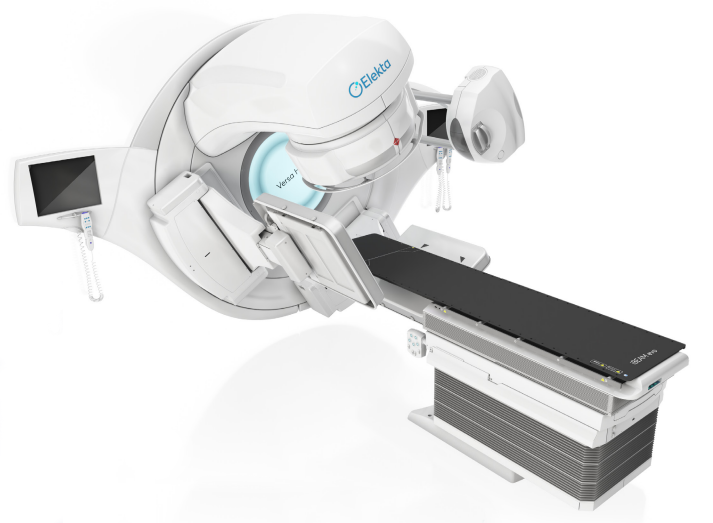
A medical linear accelerator delivers high-energy photon or electron beams for external-beam radiation therapy. Systems such as Elekta Versa HD can support modern techniques including intensity-modulated radiation therapy (IMRT), volumetric-modulated arc therapy (VMAT) and image-guided radiation therapy (IGRT).
How a linear accelerator works
The treatment beam is shaped and directed from different angles so that the planned dose conforms to the tumour while exposure to nearby organs is limited. A multileaf collimator changes the beam shape, and imaging performed on the treatment unit helps the team verify the patient’s position before or during a session.
IMRT and image guidance
IMRT varies the intensity of radiation across each treatment field. This can improve dose conformity around irregularly shaped targets or organs that need protection. IGRT uses imaging to check anatomy and positioning because internal organs and the target can move between treatment sessions.
These technologies do not make treatment risk-free. The appropriate technique, total dose and number of sessions depend on the diagnosis, tumour location, treatment goal and previous therapy.
Planning and treatment
- CT simulation maps the treatment area; MRI or PET may be combined with it when clinically useful.
- Immobilisation devices help reproduce the same position during each session.
- A radiation oncologist defines the target and organs at risk.
- Medical physicists and dosimetrists calculate and verify the treatment plan.
- Imaging and safety checks are performed according to the individual plan.

When radiation therapy may be used
External-beam radiation therapy is used for many tumours of the brain, head and neck, breast, lung, gastrointestinal tract, genitourinary system, bones, soft tissues and skin, as well as for selected lymphomas. It may be intended to cure disease, reduce the risk of recurrence, control tumour growth or relieve symptoms.
Combined treatment
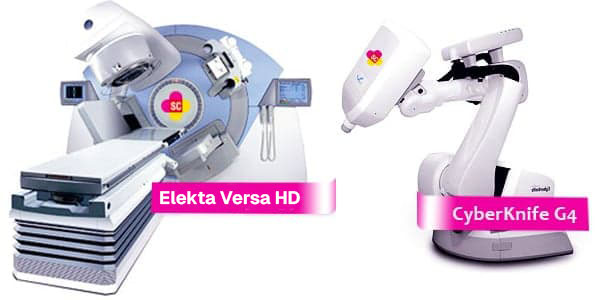
Radiation therapy may be combined with surgery, chemotherapy, targeted therapy, immunotherapy or stereotactic radiosurgery. Combining treatments is not automatically better: the sequence and purpose should be determined by a multidisciplinary team for the specific diagnosis.
Possible side effects
Side effects depend on the area treated, dose and treatment schedule. They may include fatigue, skin changes and temporary inflammation of nearby tissues. Some effects can appear months or years later. The treating team explains the expected risks and follow-up plan before therapy begins.
This archived article is provided for general information and does not advertise or confirm the availability of treatment. It does not replace individual medical advice.